An archive of works by architect John Holliday-Scott.
Projects
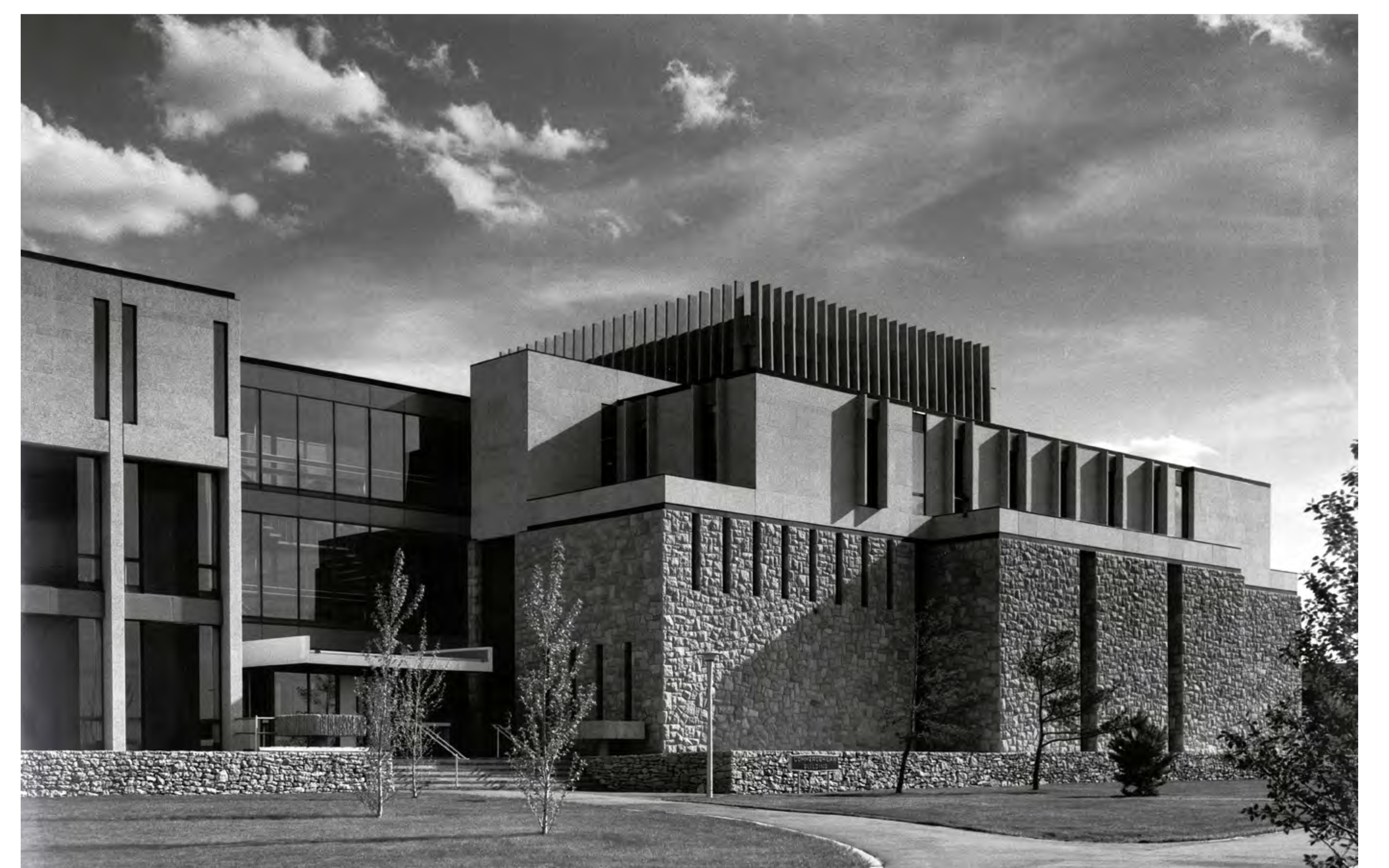
Dining Hall
Constructed: 1962
Architect: John Holliday-Scott
Builder: unknown?
Location: Emma Lake, Saskatchewan
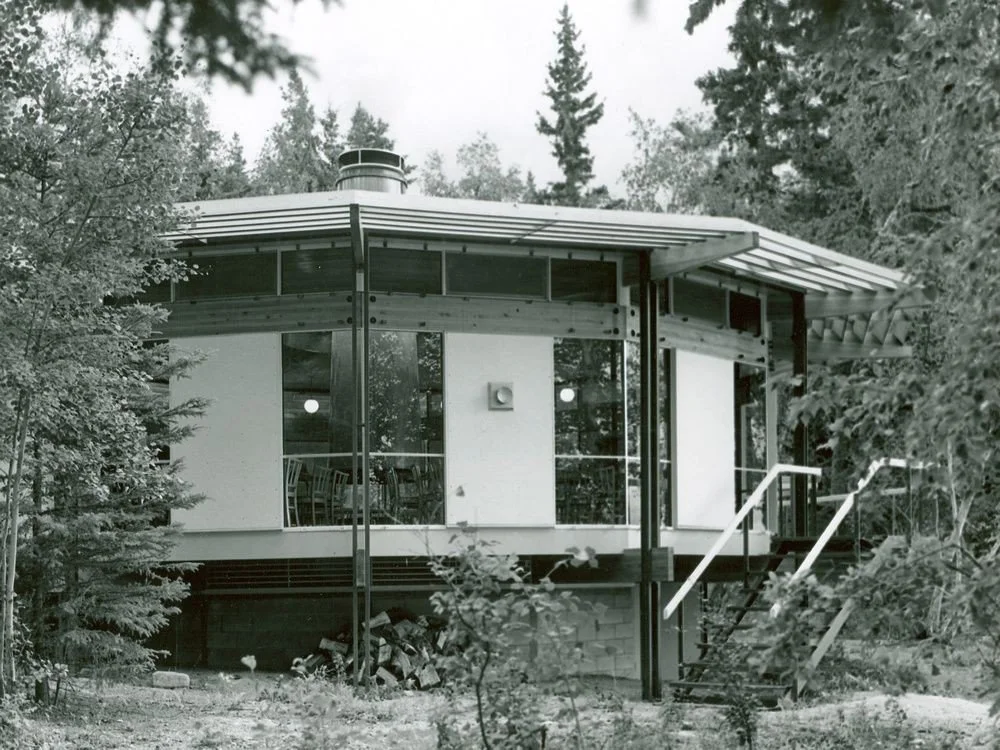
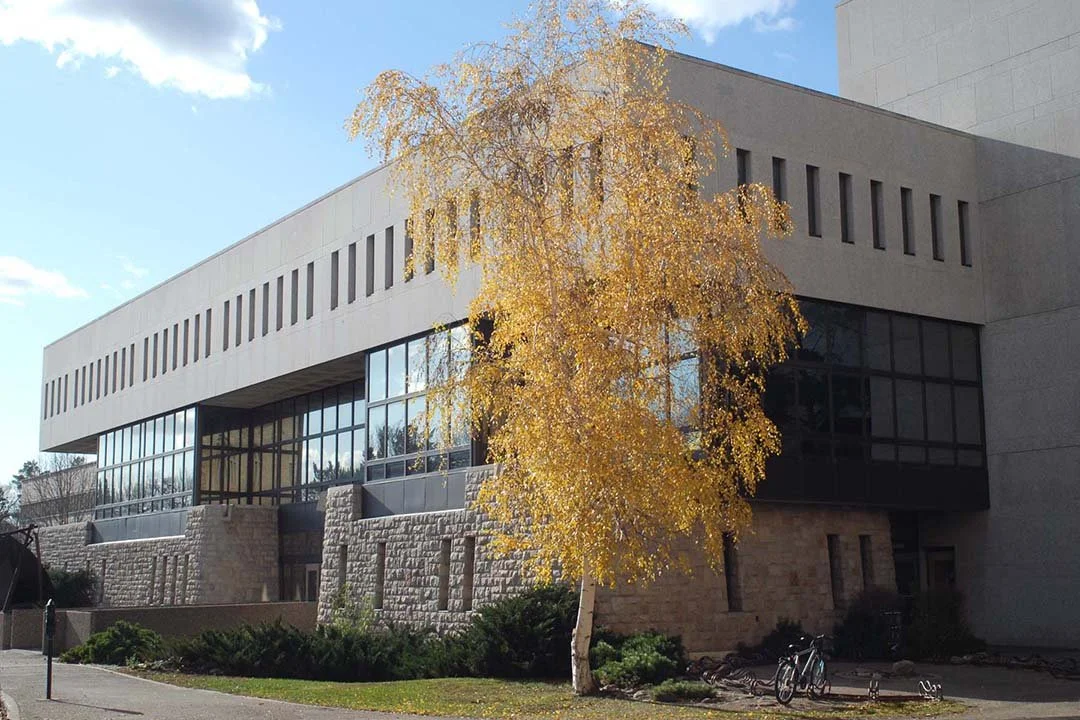
Law & Commerce Building
Constructed: 1964-1967
Architect: John Holliday-Scott, John Holliday-Scott & Associates
Builder: Poole Construction
Location: Saskatoon, Saskatchewan
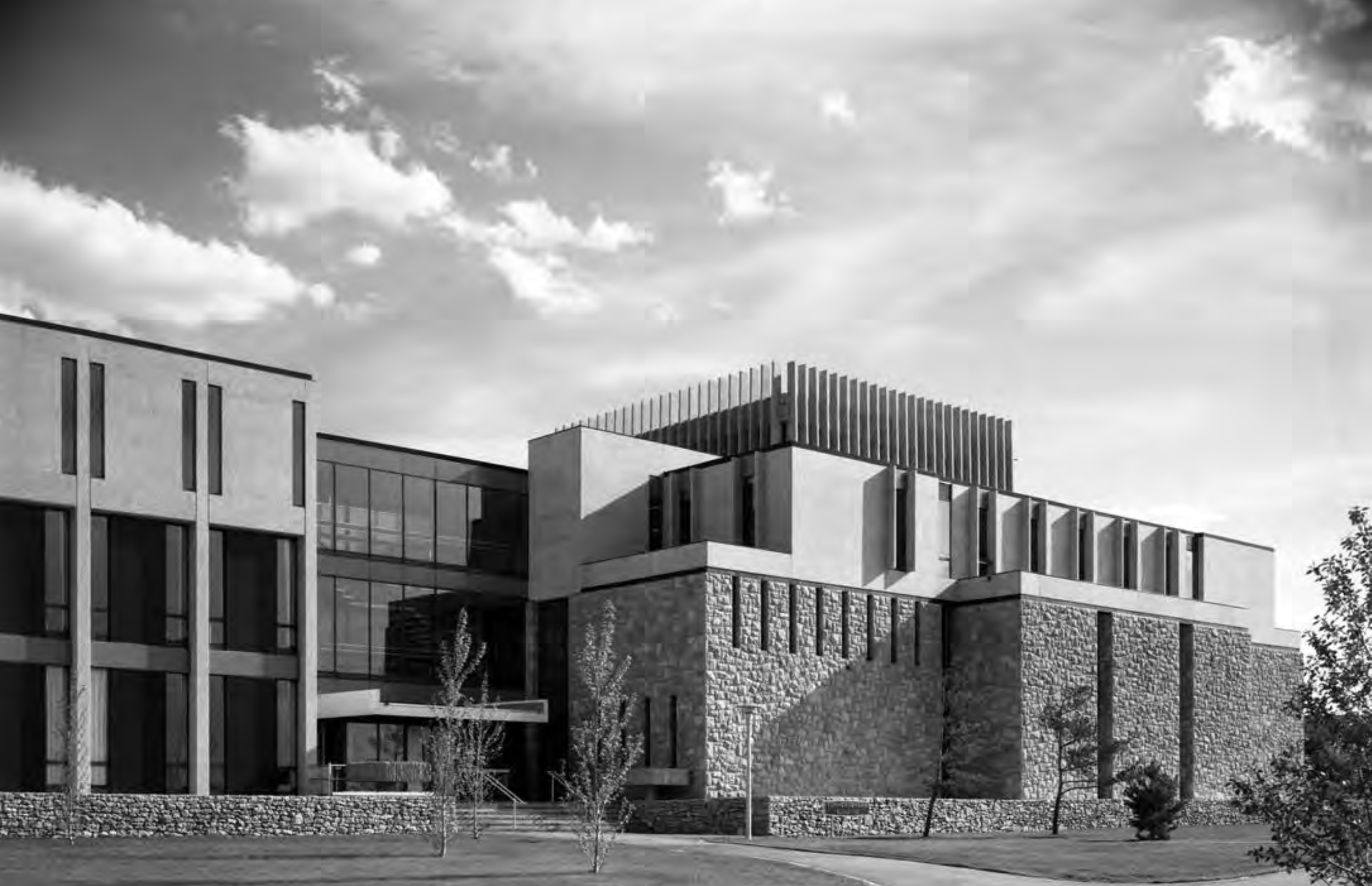
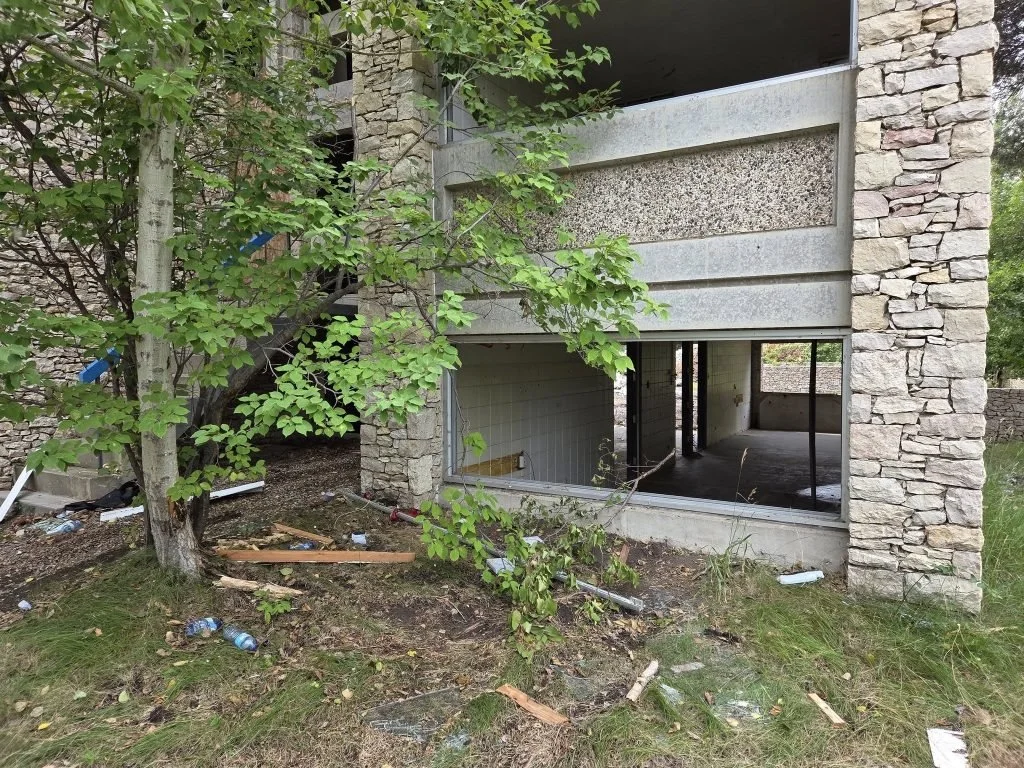
Lutheran Theological Seminary
Constructed: 1968
Architect: J. Holliday-Scott and M. Desmond Paine Architects
Builder: Wells Construction Company
Location: Saskatoon, Saskatchewan
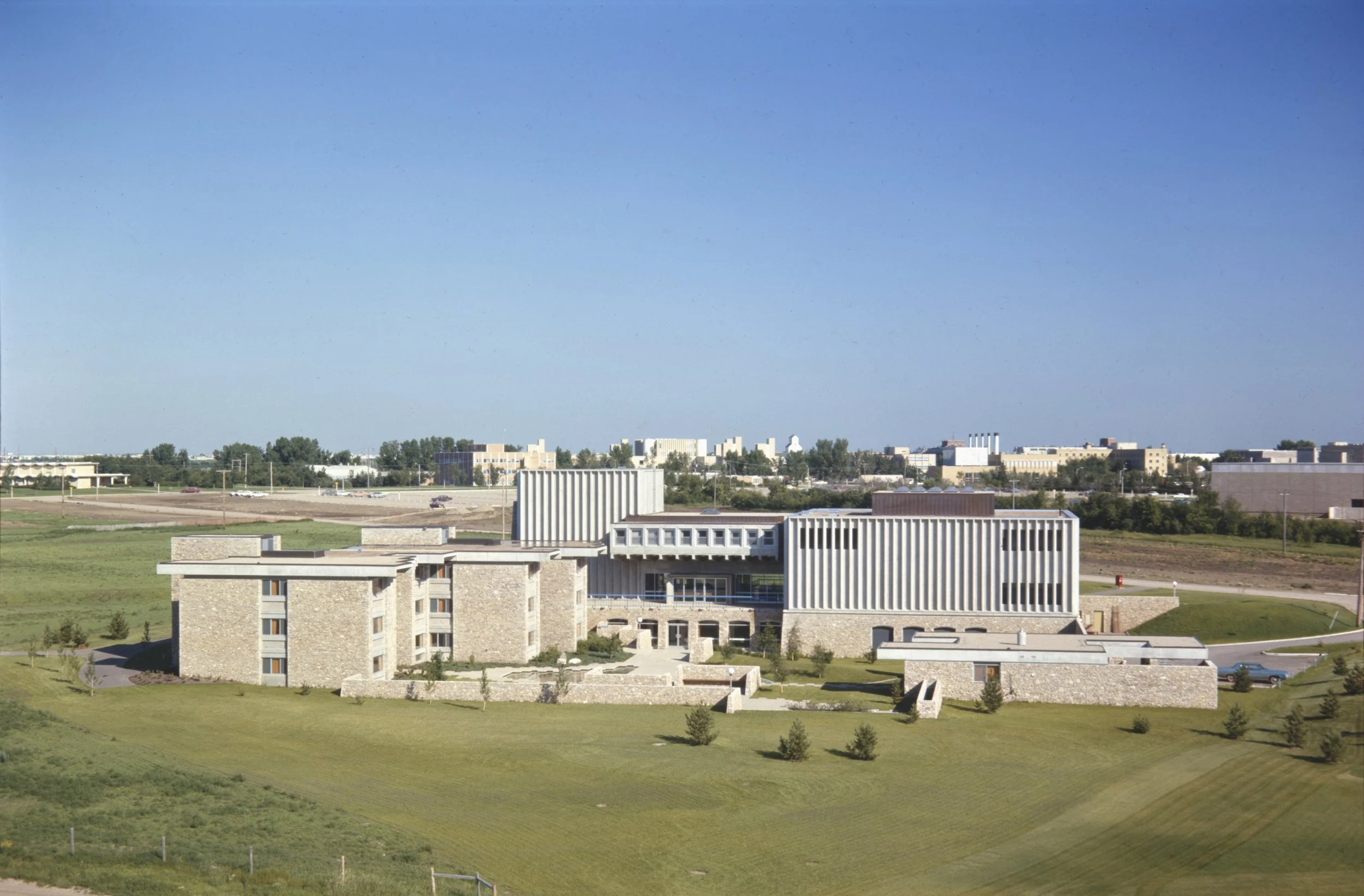
Dental Clinic
Constructed: 1978-1979
Architect: J. Holliday Scott, M. Desmond Paine and Ted Rusick J. Holliday Scott and M. Desmond Paine Architects
Builder: Poole Construction
Location: Saskatoon, Saskatchewan
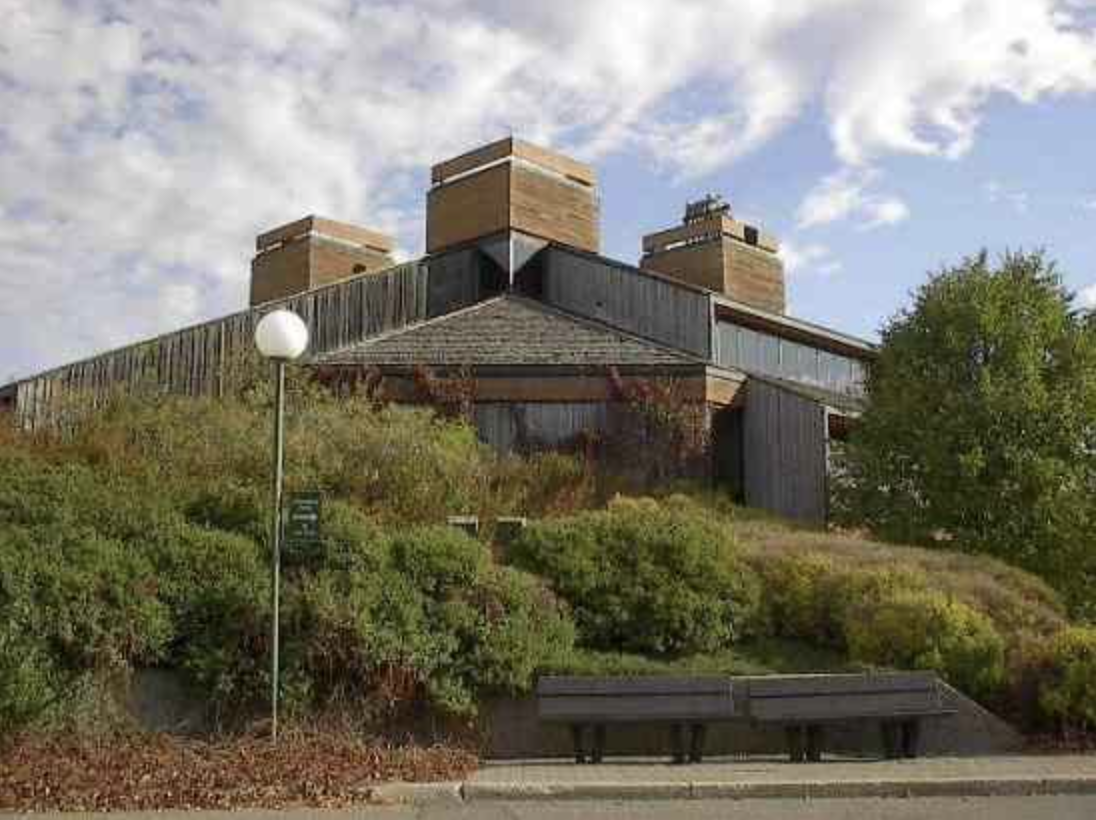
Wascana Place
Constructed: 1978-1979
Architect: J. Holliday Scott and M. Desmond Paine Architects
Builder: unknown?
Location: Regina, Saskatchewan
Archive
-
![Buildings With A Heart]()
Buildings With A Heart
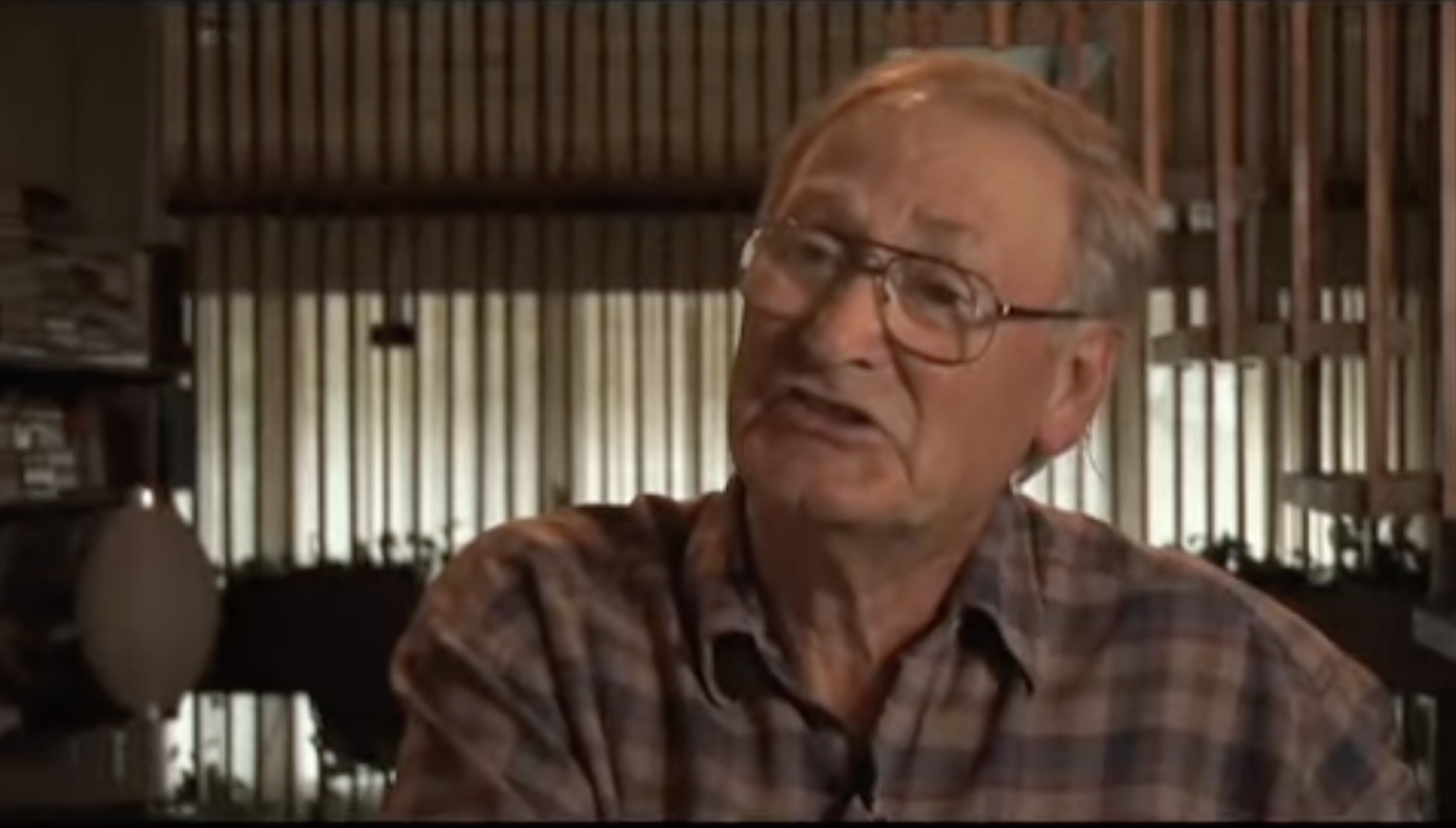
Interview with John Holliday-Scott.
-
![The Demolition of the Lutheran Theological Seminary Building]()
The Demolition of the Lutheran Theological Seminary Building
Canadian Architect article
Biography
Bibliography:
University of Saskatchewan Heritage Register, Megan Fritzler, Andrew Wallace, September 2013
Worth: Saskatchewan’s Architectural Heritage Magazine, Don Kerr
Acknowledgements:
The Friends of the 114 Seminary Crescent
Wallace Krueger Architects
Saskatoon architect John Holliday-Scott was born in Hounslow, now part of London, in 1933. He lived as a boy in Hook, Surrey in southern England, and entered the Architectural School in the Kingston College of Art at 18.
He said when he was a boy, it was either the Royal Navy or architecture. While at the school, three of its professors (Chamberlin, Powell, and Bonn) won an architectural competition and set up in practice, including designing the huge Barbican Centre in London, on which Holliday-Scott and other students worked in 1955 and 1956.
When he graduated that year he worked briefly for a second London firm, designing iron gates, lobbies, and washrooms for a major building in London - not very satisfying work.
In 1957 he married Margaret Fletcher and they decided to immigrate to Canada, to Vancouver originally but a friend warned of a building recession. Canada House staff suggested Edmonton, but when they arrived, there was a recession there too. He did fill-in jobs for a summer and fall, answered an ad for a Saskatoon firm, (George) Kerr and (Pat) Cullingworth. He worked at the firm for two years, designed an apartment building, the downtown Co-op, a number of schools and a house for Marshall Parrot on Saskatchewan Crescent.
After two years, John went out on his own, his first commission, a house at the 1000 block of 14th Street for Ed and Pat Abramson, in 1959-60. Commissions came in the door.
Architect Jim Paddock joined him for two years then returned to Boston. On his own again, Holliday-Scott completed a handsome school at Clavet, designed he said like a village so it could accommodate a number of add- ons, five in all.
Work was not that plentiful and John was planning to return to England. He was at the time a member of the Saskatoon Symphony Board, as was Colb McEown of the University of Saskatchewan who asked if they awarded Holliday-Scott a major commission would he stay. He said of course.
The commission was for the Law and Commerce buildings joined to the Arts Building. John received the commission in 1963; the building began construction in 1964 for a 1967 opening. He liked working with Dean Otto Lang and Dean Tommy McLeod.
The Law Building in particular, with its open central space emphasizing the library, with offices and classrooms around the centre, became the Holliday-Scott trademark.
The handsome north-facing facade of those buildings has been broken by a large unsympathetic add-on to Commerce.
Holliday-Scott had a rough ride with Shore and Moffat, the Toronto firm that had designed the Arts Building and wanted design control over the whole building. John said that Jim Wedgewood, Director of Buildings and Grounds, declared the contract had been awarded and that was that.
Desmond Paine joined the firm in 1965, which became known as Holliday-Scott and Paine. Among their major commissions was the Lutheran Theological Seminary at the University of Saskatchewan. It was done in pre-cast concrete, the technology expressed openly. Holliday-Scott liked especially the interior courtyard.
The firm's largest commission, shared with the Forrester -Scott firm, was the University Hospital addition. The central mall was part of Holliday-Scott's design. He said a building of a certain size needed a heart. The mall also added a degree of clarity to a complex structure. Paine did the detailed work. They were hired in 1968, began design in 1970, the building finally opening in 1979.
Among the many Boards which John Holliday-Scott has served, his time as president of the Saskatchewan Association of Architects in 1974-75 is noteworthy. Two of Holliday-Scott's favourite designs were completed in Regina, the Administration-Humanities Building at the University of Regina, completed in 1973, on a larger scale than Law but with the same heroic interior space, with the council chamber hung into that space.
He also designed Wascana Place outside and in, with the central interior space featuring a sculpture by Saskatoon's Eli Bornstein. John was asked to do everything at the Wascana Centre including the interior and furniture.
In 1974, Holliday-Scott and Paine re- designed the Saskatoon air terminal for the Department of Transport (the terminal recently re-designed again). As new experts they did a series of air terminal studies in the Caribbean over 18 months but no buildings were constructed.
They designed the Dental College on the Saskatoon campus in 1974-1979. One of Holliday-Scott's pleasures was the kind of research needed to arrive at such a design. He talked to architects of other dental buildings, as well as to deans, faculty, and students.
He designed the Cosmo Civic Centre - bermed to preserve energy, and Holliday- Scott liked the interior ramp as a form of sculpture. John also designed renovations to Saskatoon City Hall, outside and inside, and designed the Catholic School Board offices on 22nd Street.
The firm designed many schools in Saskatoon, from small changes like the main floor library at Victoria, to new designs for over 20 schools, including Dundonald, Wildwood, River Heights, Silverwood, Forest Grove, Sister O'Brien, and St. Thomas.
He was able to do his central rotunda for the Catholic schools and mentioned in particular Bishop Mahoney High School because he included the village concept there too, with a two storey atrium building, a classroom pod, and St. Anne's Church, now much changed.
When he did parking structures, Holliday-Scott tried always to hide cars, with a berm at the airport, since removed, and with hospital parking built into the contour of the land originally, but additions have made it a blunt part of the river bank.
Ted Rusick joined the firm in 1980, which became known as Holliday-Scott, Paine and Rusick. Paine retired in 1988, Holliday-Scott leaving the partnership in 1993. John worked with his son Michael and they did work along the Yellowhead with commissions in Lloydminster - schools, a hospital - plus schools in Maidstone, Lashburn and a SaskTel Building in North Battleford - and a liquor store at Confederation Park which he calls The Cathedral of the Holy Spirits.
John Holliday-Scott would like best to be known in particular for Wascana Place as well as for the U of S Law Building, the U of R Administration-Humanities Building, that early residence for the Abramsons, and the house he redid for his own family on University Drive.
John retired from architectural practice in 2000 but continues to live in Saskatoon.
Written by Don Kerr for Worth: Saskatchewan’s Architectural Heritage Magazine